A new paper was published in the September issue of the International Journal of Science Education.
Forbes, C.T., Lange, K., Möller, K., Biggers, M., Laux, M., & Zangori, L. (2014). Explanation-construction in 4th-grade classrooms in Germany and the United States: A cross-national comparative video study. International Journal of Science Education, 36(14), 2367-2390.
This research involved a comparative study of 4th-grade classrooms in the U.S. and Germany involving samples of videorecorded science instruction around a variety of topics. We used the P-SOP instrument to characterize scientific practices and processes of inquiry in which students were observed taking part. While there were many similarities between the nature of science teaching and learning in classrooms in the two countries, we also found key differences in how students were afforded opportunities to formulate scientific explanations, a crucial scientific practice highlighted in the Next Generation Science Standards. This study was a wonderful opportunity to extend the impact of PIESC3 project through an very fulfilling and enjoyable collaboration with colleagues from the University of Münster in Germany. I thank Kim Lange, Kornelia Möller, and Mira Laux for their contributions and collegiality. I look forward to continuing to work together on issues related to elementary science.
Congrats again to Laura Zangori for successfully completing her doctoral studies and graduating from the Department of Teaching, Learning, and Teacher Education in the UNL College of Education and Human Sciences. It’s been a long journey across three states (and many different classrooms, professional development workshops, and conferences across both the PIESC3 and MoHSES projects) to arrive at this point. What a wonderful accomplishment. Good luck next year at Mizzou!
]]>
tion study, entitled, “EXPLORING 3RD-GRADE STUDENTS’ MODEL-BASED EXPLANATIONS ABOUT PLANT GROWTH AND DEVELOPMENT”. Laura has worked on both the PIESC3 and MoHSES projects, first at the University of Iowa and later at UNL. It has been a pleasure to work with Laura as both project PI and her advisor. In August, Laura will begin a new position as an Assistant Professor of Science Education in the College of Education at the University of Missouri-Columbia.
]]>
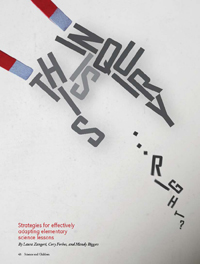
A paper from the PIESC3 group has just been published in the September issue of Science and Children. The article outlines and describes accessible strategies for modifying existing science lessons and
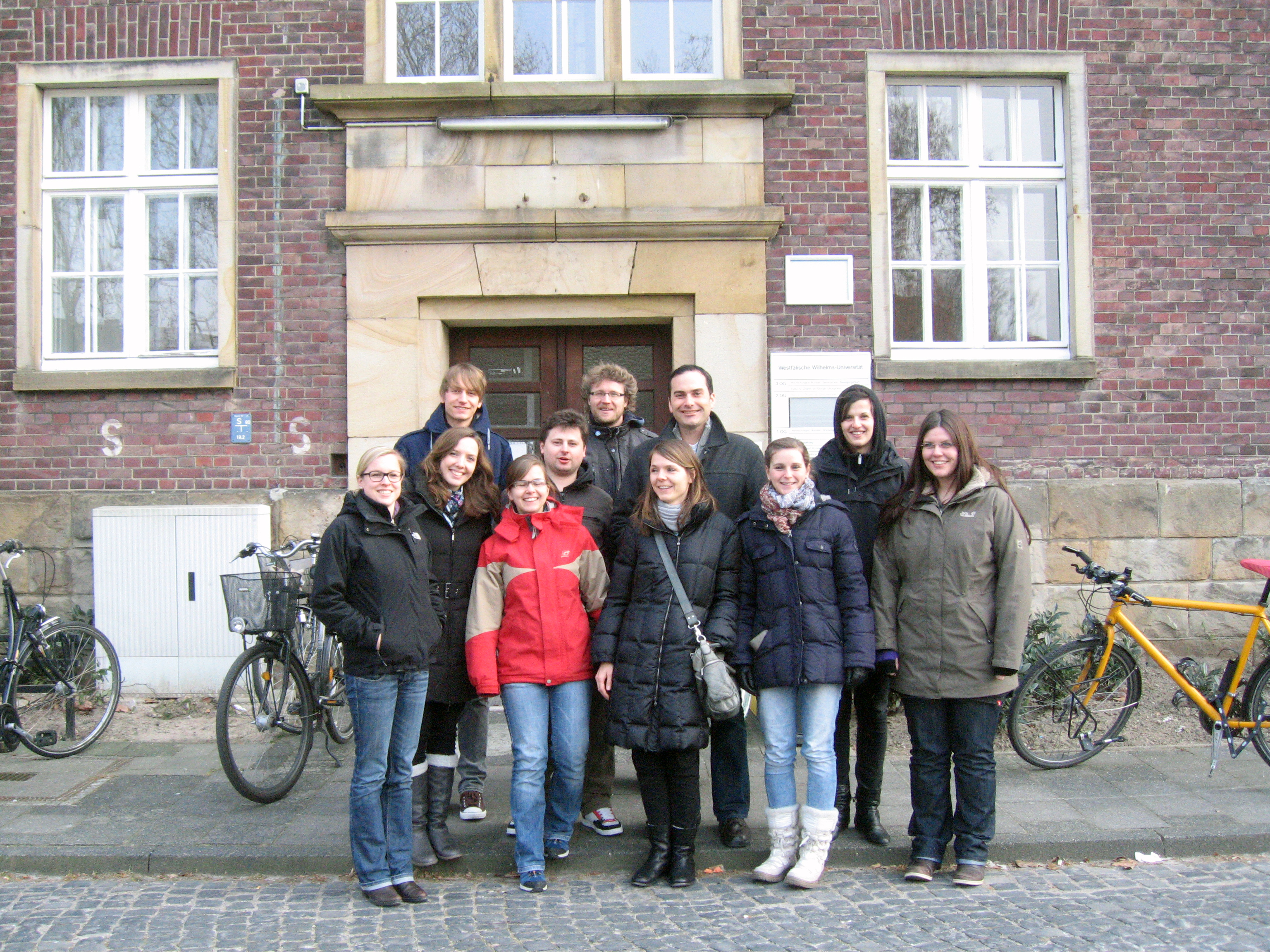
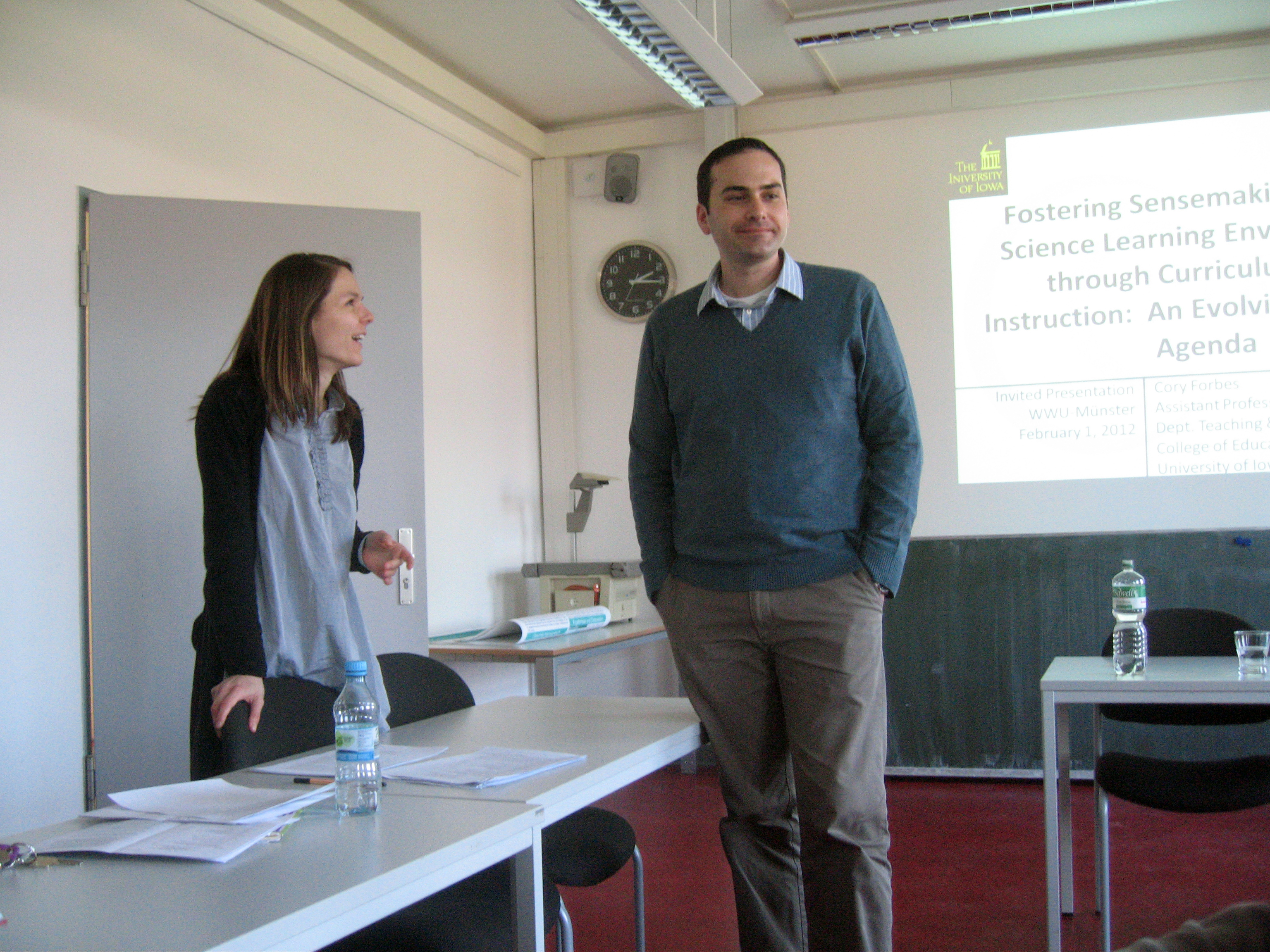
From January 27 – February 4, I traveled to Germany as part my work on the PIESC3 project. Through generous support from the German Research Foundation (DFG), I was invited by the Teaching and Learning of Science Research Group to give invited talks at both NWU-Essen and WWU-Münster. I spent most of the week working with colleagues in Professor Kornelia Möller’s workgroup at the University of Münster. We spent two days working to train PLUS project research team members on an observation protocol we developed and pilot-tested during the past year as part of the PIESC3 project. In the next year, we will be conducting a comparative study of students’ engagement in 


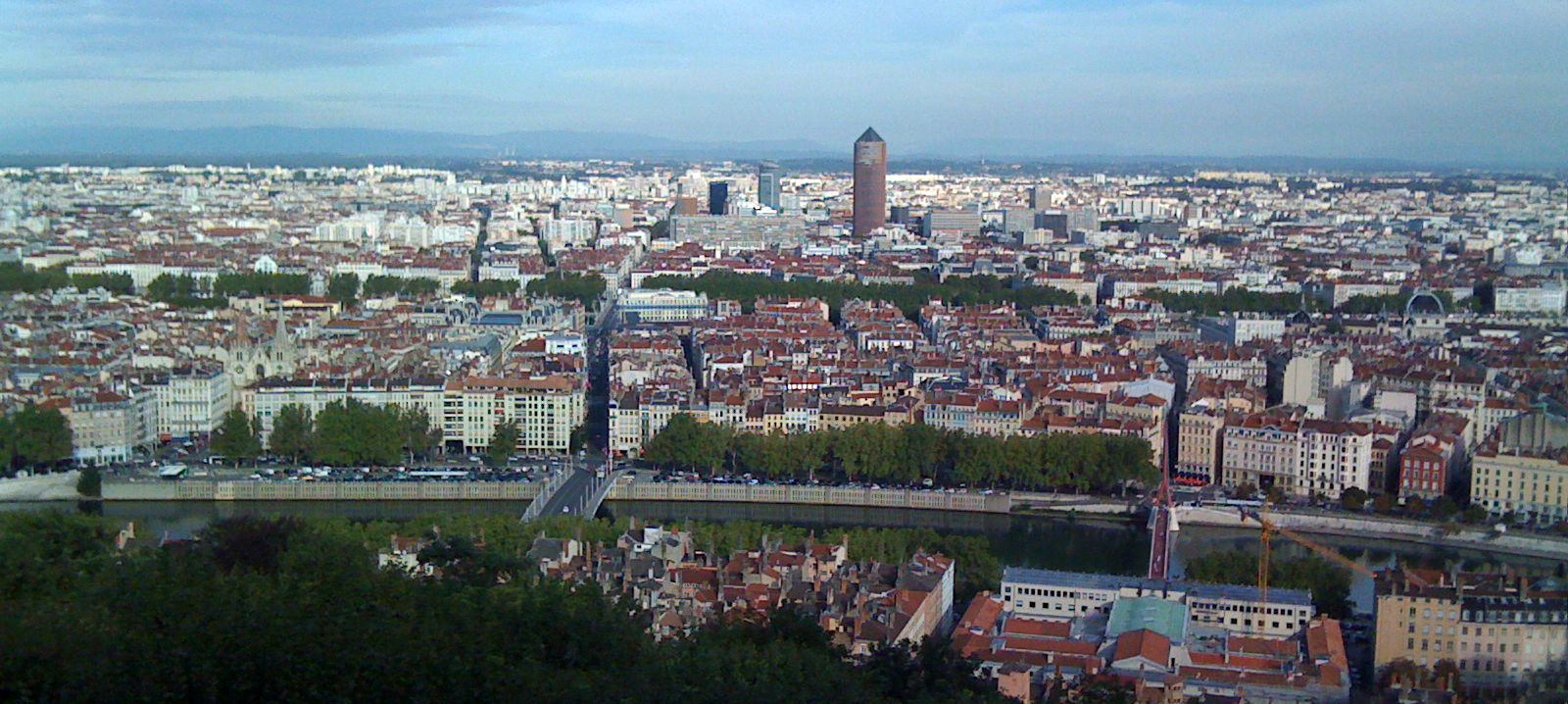
I recently returned from Lyon, France, where I attended the 2011 biannual meeting of the European Science Education Research Association (ESERA). I presented two papers at the conference, one from past research and one from new PIESC3 project work. I was fortunate to see many colleagues, as well as meet some new ones.