Lally, D., Forbes, C.T., McNeal, K., & Soltis, N. (2019). National Geoscience Faculty Survey 2016: Prevalence of systems thinking and scientific modeling learning opportunities. Journal of Geoscience Education, 67(2), 174-191.
Soltis, N., McNeal, K., Forbes, C.T. & Lally, D. (2019). The relationship between active learning, course innovation, and teaching Earth systems thinking: A structural equation modeling approach. Geosphere, 15(5), 1703-1721.
]]>Petitt, D.N. & Forbes, C.T. (2019). Values use of undergraduate students in socio-hydrological reasoning: A comparative study. Natural Sciences Education, 48(1), 1-12.
We wish Destini the best of luck in her doctoral work in the Dept. of Geography and Earth Sciences at the University of North Carolina-Charlotte!
]]>Forbes, C.T., Brozovic, N., Franz, T., Lally, D., & Petitt, D. (2018). Water in Society: An interdisciplinary course to support undergraduate students’ water literacy. Journal of College Science Teaching, 48(1), 36-42.
]]>

]]>
Sutter, A.M., Dauer, J.M., & Forbes, C.T. (2018). Construal level and value-belief norm theories: Implications for undergraduate decision-making on a prairie dog socio-scientific issue. In International Journal of Science Education, 40(9), 1058-1075.
]]>Sabel, J., Dauer, J., & Forbes, C.T. (2017). Introductory biology students’ use of enhanced answer keys and reflection questions to engage in metacognition and enhance understanding. CBE–Life Sciences Education, 16(3), 2-12.
]]>Sabel, J.L., Vo, T., Alred, A., Dauer, J.M., & Forbes, C.T. (2017). Undergraduate students’ scientifically-informed decision-making about socio-hydrological issues. Journal of College Science Teaching, 46(6), 64-72.
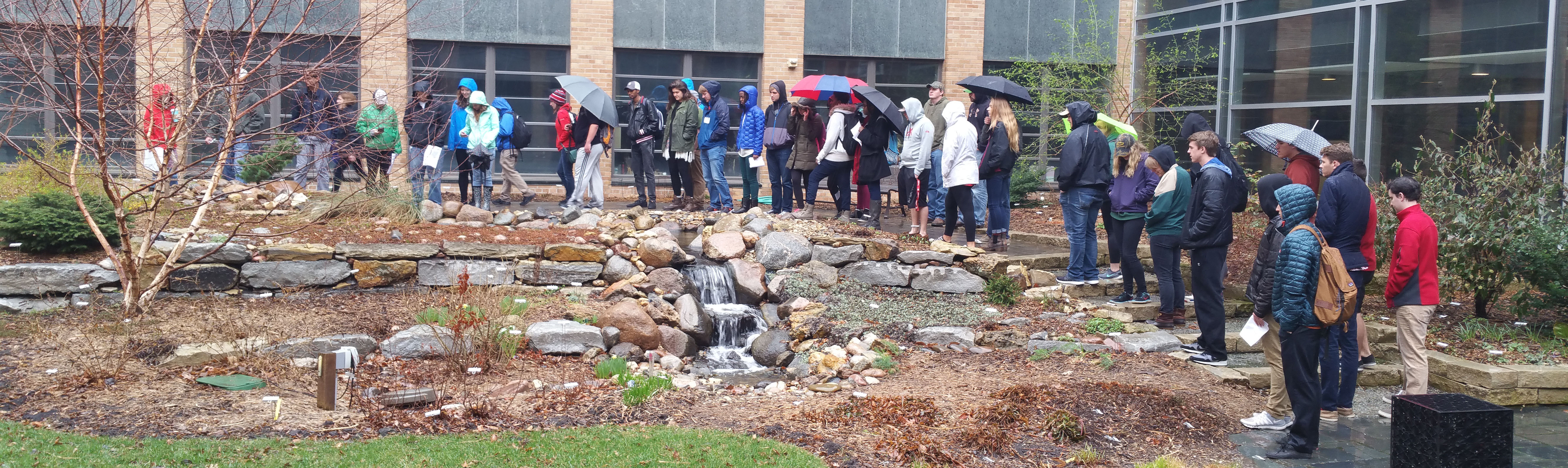
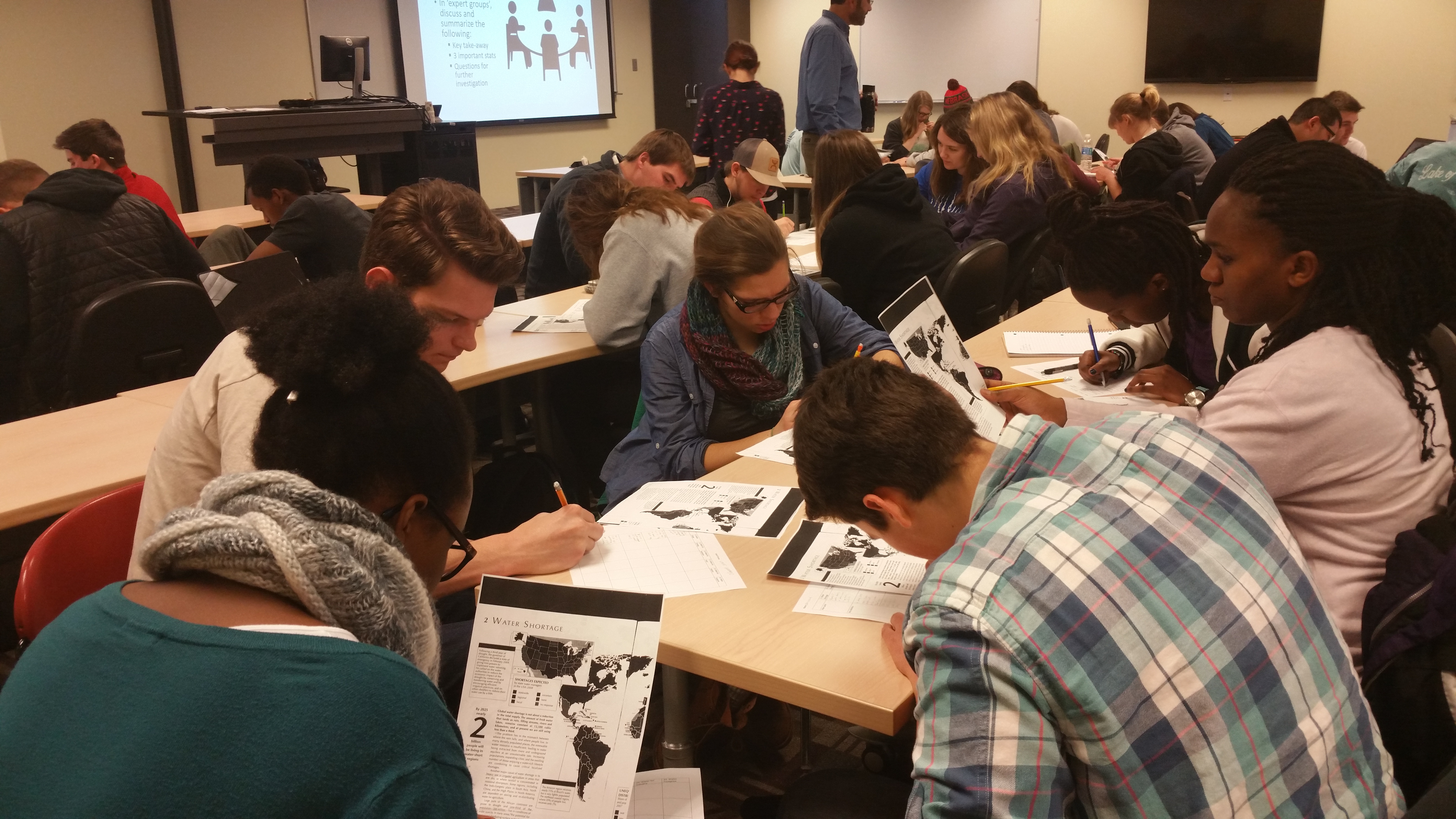
]]> As part of the WELL project, our team had the chance to teach our new course – SCIL 109 Water in Society – this past spring semester. It was an amazing opportunity work with 45 undergraduate students, both STEM and non-STEM majors from an array of programs. It was also a wonderfully enriching experience to collaborate with colleagues spanning multiple disciplines as part of our instructional team. The course touched on core hydrology concepts, exploration of contemporary real-world water-related challenges, and opportunities to communicate about both the scientific and non-scientific dimensions of these issues. Students used computer-based water modeling tools based upon authentic datasets, worked in collaborative teams on long-term projects, participated in site visits, and developed and presented infographics to attendees at an international water-focused conference. Please see our spring, 2017 syllabus and course calendar here.