

 ]]>
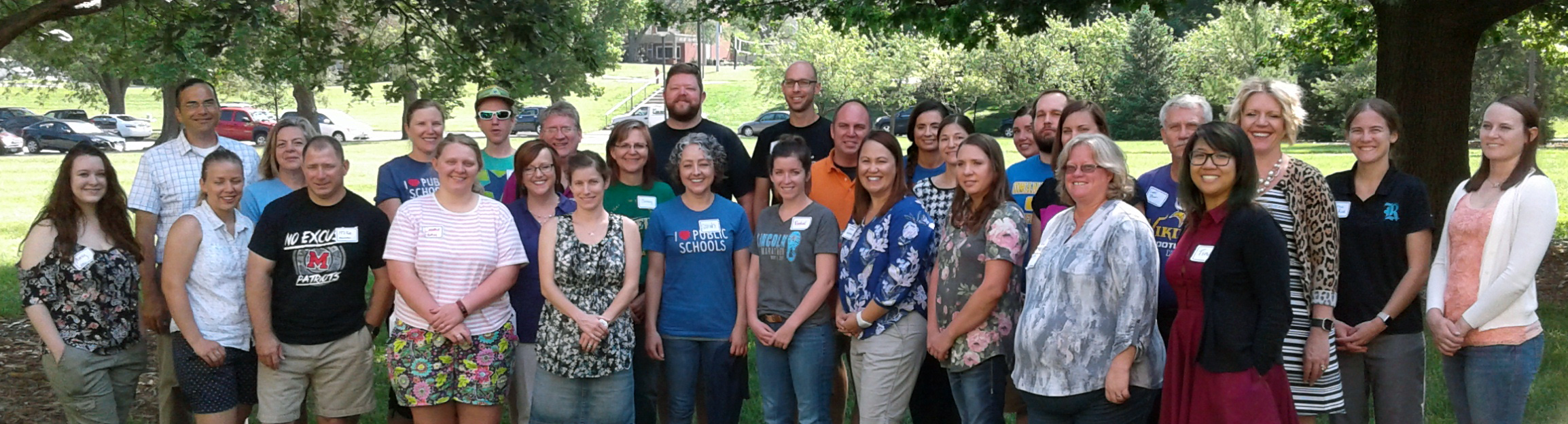
As part of the workshop, teachers explored the Next Generation Science Standards, conducted water-related investigations, learned about the scientific practice of modeling, and worked on curricular resources to support their own teaching. Teachers also had the opportunity to participate in the workshop as part of a UNL graduate course – NRES 898 Teaching and Learning about Water Systems. We thank our project partners from the Groundwater Foundation and Water for Food Global Institute for contributing to making this workshop a successful experience for all involved. We look forward to continuing to work with NE teachers through ongoing academic year activities and a teacher research experience in summer, 2018.
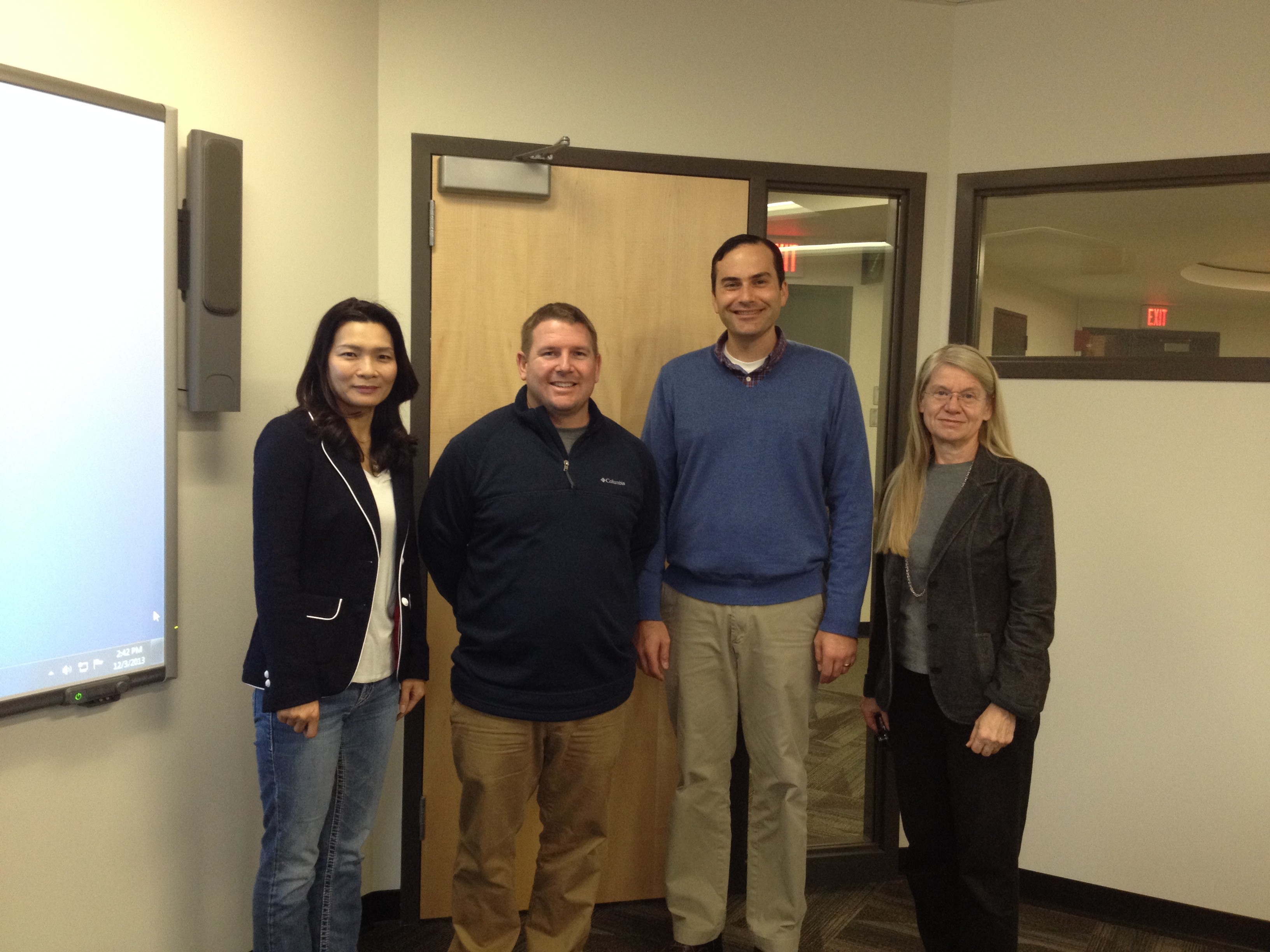 Congratulations to Dave Pierson for successfully defending his masters thesis entitled Elementary teachers’ assessment actions and elementary science education: Formative assessment enactment in elementary science. Dave used RAES-Iowa project data to conduct a comparative case study investigating elementary teachers’ reasoning about students’ ideas and classroom formative assessment practices. His committee members were myself, Soonhye Park, Associate Professor of Science Education in the University of Iowa College of Education, and Gabrielle Ludwig, Professor in the UI Department of Occupational and Environmental Health. Dave, great work on this substantial accomplishment!
]]>
Biggers, M., Forbes, C.T. , & Zangori, L. (2013). Elementary teachers’ curriculum design and pedagogical reasoning for supporting students’ comparison and evaluation of evidence-based explanations. The Elementary School Journal, 114(1), 48-72.
Forbes, C.T., Biggers, M., & Zangori, L. (2013). Investigating essential characteristics of scientific practices in elementary science learning environments: The Practices of Science Observation Protocol (P-SOP). School Science and Mathematics, 113(4), 180-190.
Zangori, L., Forbes, C.T., & Biggers, M. (2013). Fostering student sense-making in elementary science learning environments: Elementary teachers’ use of science curriculum materials to promote explanation-construction. Journal of Research in Science Teaching, 50(8), 887-1017.
Each of these studies involves the use of our newly-developed observation protocol, the P-SOP, to investigate inquiry practices in elementary classrooms. The paper in School Science and Mathematics details the development and testing of the P-SOP, as well as a comparison of features of inquiry evident in observed elementary science instruction. The other two articles are mixed-methods studies using the P-SOP explore opportunities afforded students to formulate and evaluate evidence-based explanations.
]]>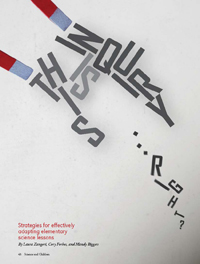 A paper from the PIESC3 group has just been published in the September issue of Science and Children. The article outlines and describes accessible strategies for modifying existing science lessons and curriculum materials to better engage students in ‘science as inquiry‘ and scientific practices.
Zangori, L., Forbes, C., & Biggers, M. (2012). This is inquiry…right? Strategies for effectively adapting elementary science lessons. Science and Children, 50(1), 48-53.
These strategies have been developed, used, and refined through almost 10 years of work with both preservice and inservice elementary teachers as part of the CASES and PIESC3 project research. We are excited to share them with many more teachers through Science and Children!
]]>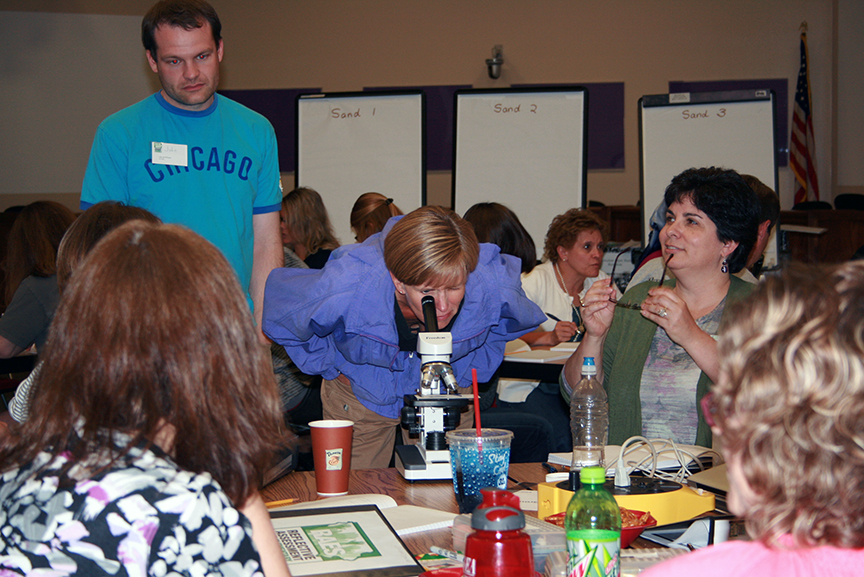


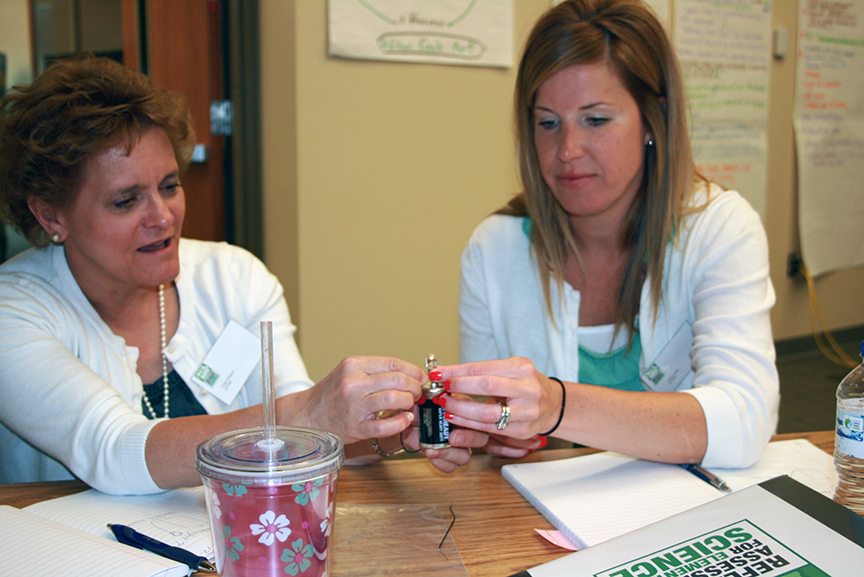
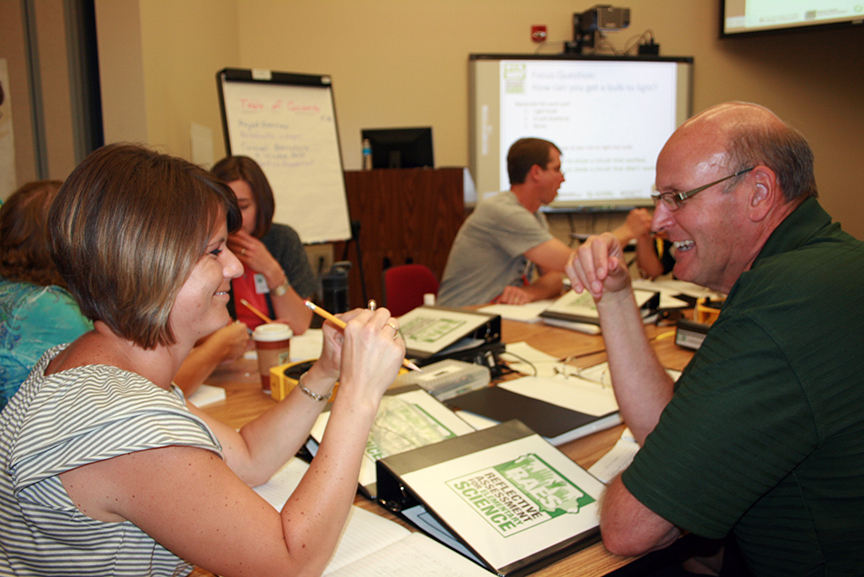
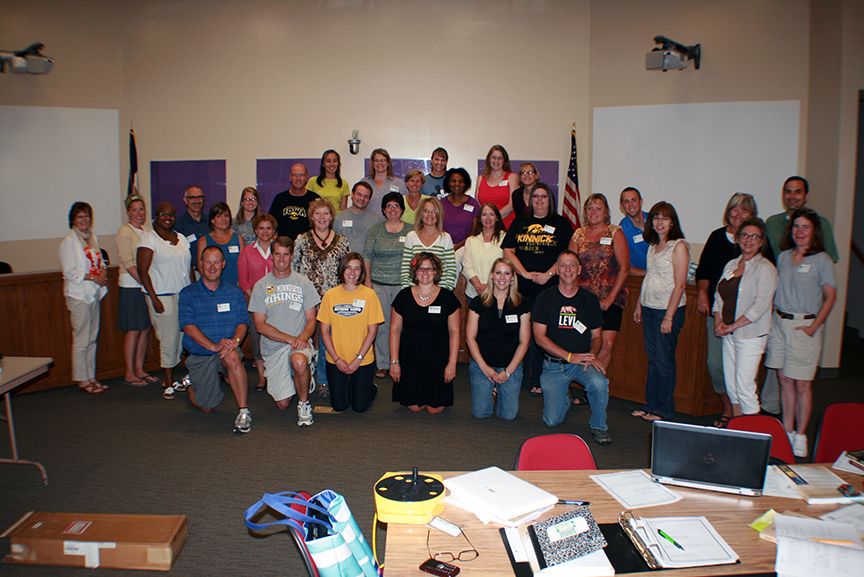
 The Reflective Assessment for Elementary Science in Iowa (RAES-Iowa) project has been funded. More information about the project can be found here. I am thrilled to be working with an amazing group of project partners from the University of Iowa and CGRER, GWAEA and the VAST Center, FOSS at the Lawrence Hall of Science, and elementary teachers from the Iowa City Community School District (ICCSD), Washington Community Schools (WCSD), Clear Creek Amana Community School District (CCACSD), Highland Community School District (HCSD), and St. James School on this project. The first workshops for teachers begin June 13 in Iowa City!
]]>



Forbes, C.T. & Zint, M. (2011). Elementary teachers’ beliefs about, perceived competencies for, and reported use of scientific inquiry to promote student learning about and for the environment. Journal of Environmental Education, 42(1), 30-42.
]]>