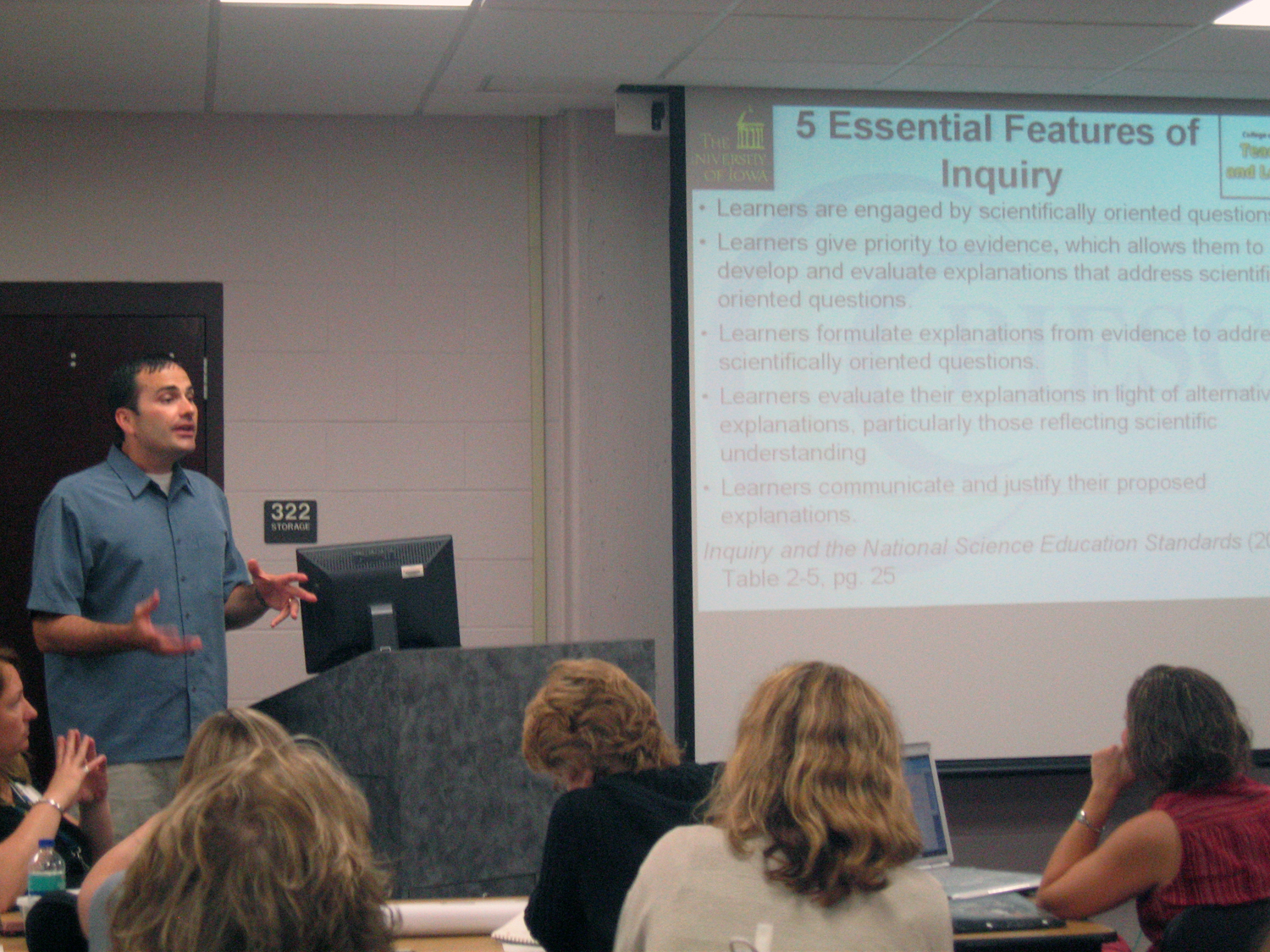
Christina Schwarz, MoHSES project Co-PI and Associate Professor of Science Education at Michigan State University, co-facilitated a webinar for the National Science Teachers Association (NSTA), entitled ‘Preparing for the Next Generation Science Standards—Developing and Using Models’, on 9/25/2012. The webinar is part of a series sponsored by NSTA to highlight and begin discussions about the scientific practices articulated in A Framework for K-12 Science Education. These practices include developing and using models, the core scientific practice targeted in the MoHSES project. We’re excited for the opportunity to work with Dr. Schwarz and benefit from her expertise!
Article published in Science and Children
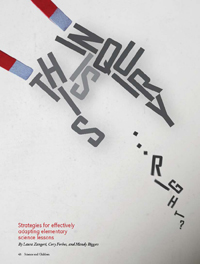
A paper from the PIESC3 group has just been published in the September issue of Science and Children. The article outlines and describes accessible strategies for modifying existing science lessons and curriculum materials to better engage students in ‘science as inquiry‘ and scientific practices.
Zangori, L., Forbes, C., & Biggers, M. (2012). This is inquiry…right? Strategies for effectively adapting elementary science lessons. Science and Children, 50(1), 48-53.
These strategies have been developed, used, and refined through almost 10 years of work with both preservice and inservice elementary teachers as part of the CASES and PIESC3 project research. We are excited to share them with many more teachers through Science and Children!
MoHSES project funded
The Modeling Hydrologic Systems in Elementary Science (MoHSES) project has been funded by the National Science Foundation. More information about the project can be found here. The MoHSES project is an exploratory project supported by a NSF Discovery Research K-12 grant and additional support from the UI Center for Global and Regional Environmental Research (CGRER). I am excited to be afforded the opportunity to build upon my past research and begin to investigate students’ learning alongside teachers and teaching.
RAES-Iowa Year 1 Summer Institute
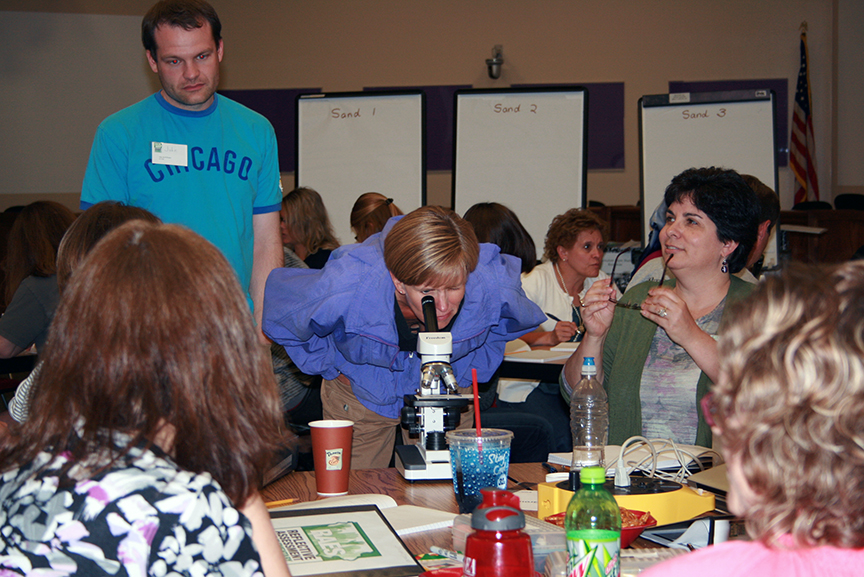
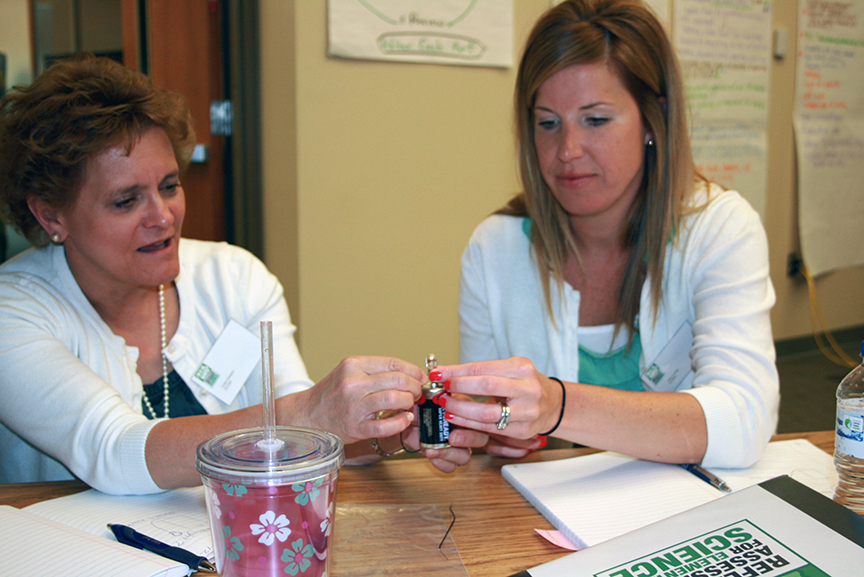
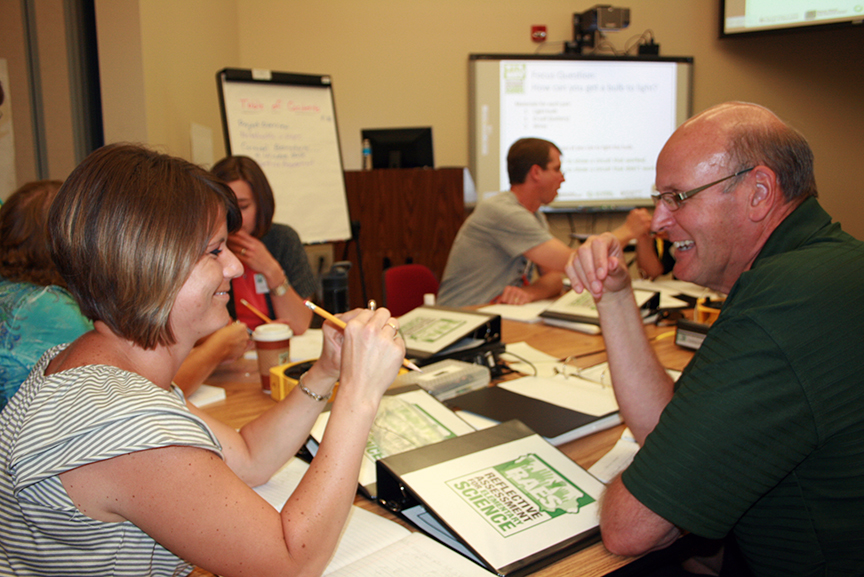
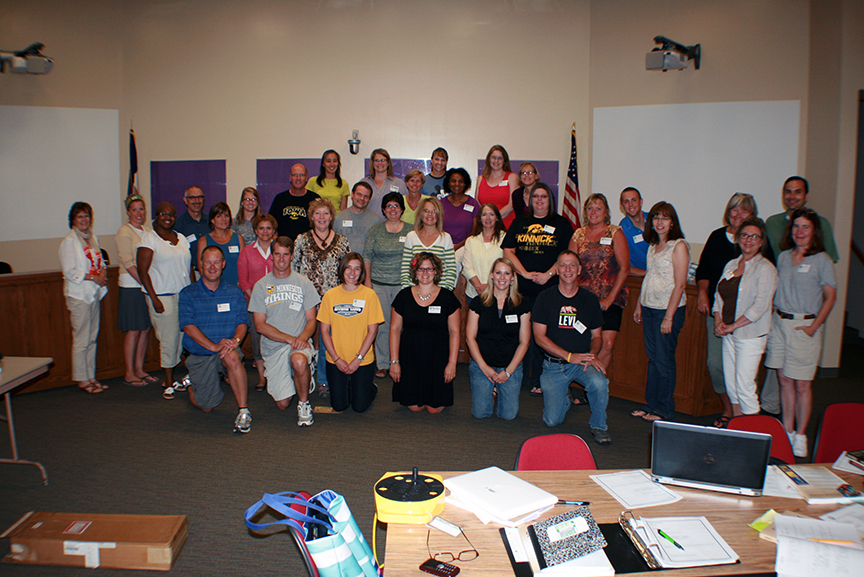
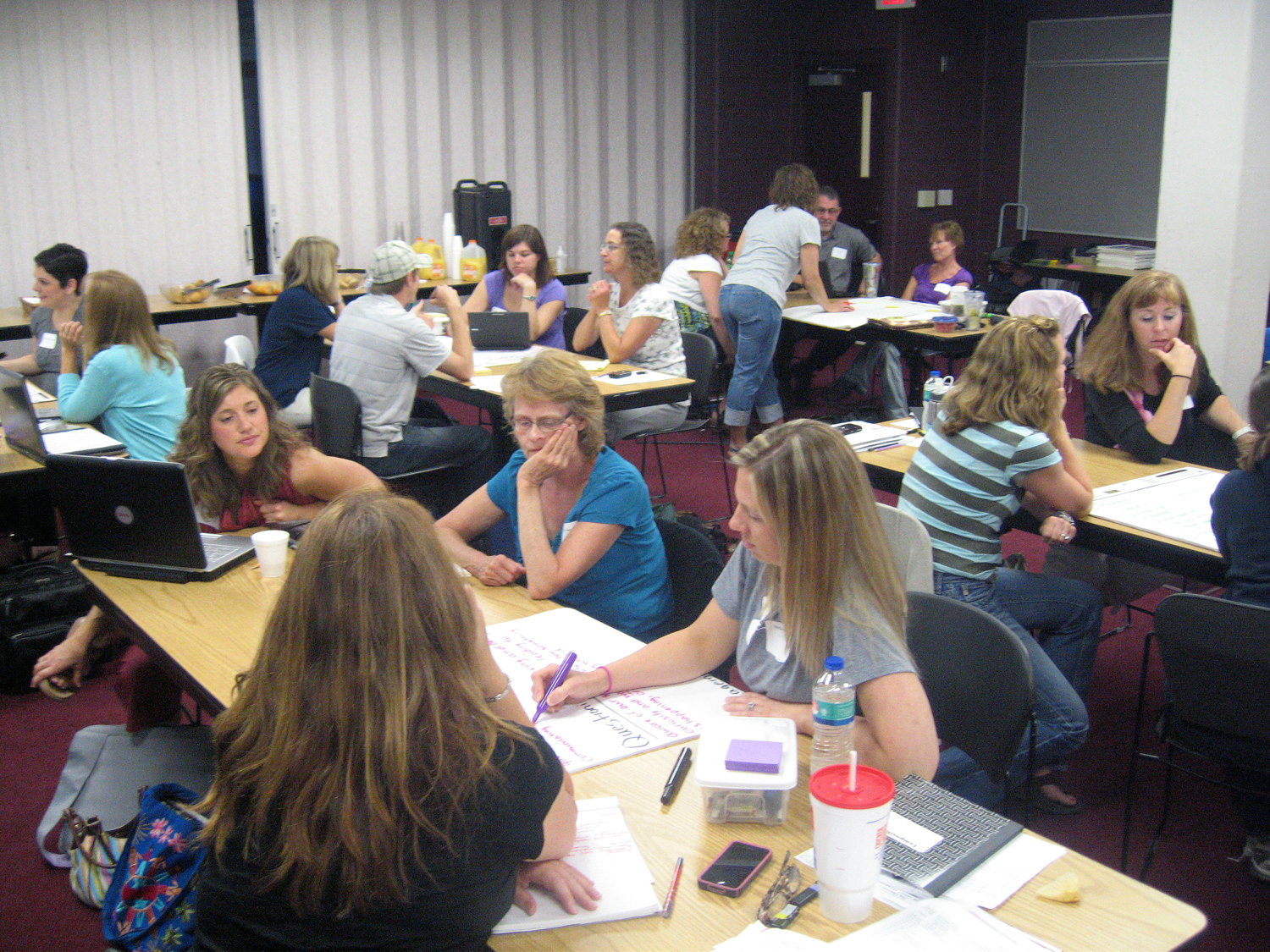
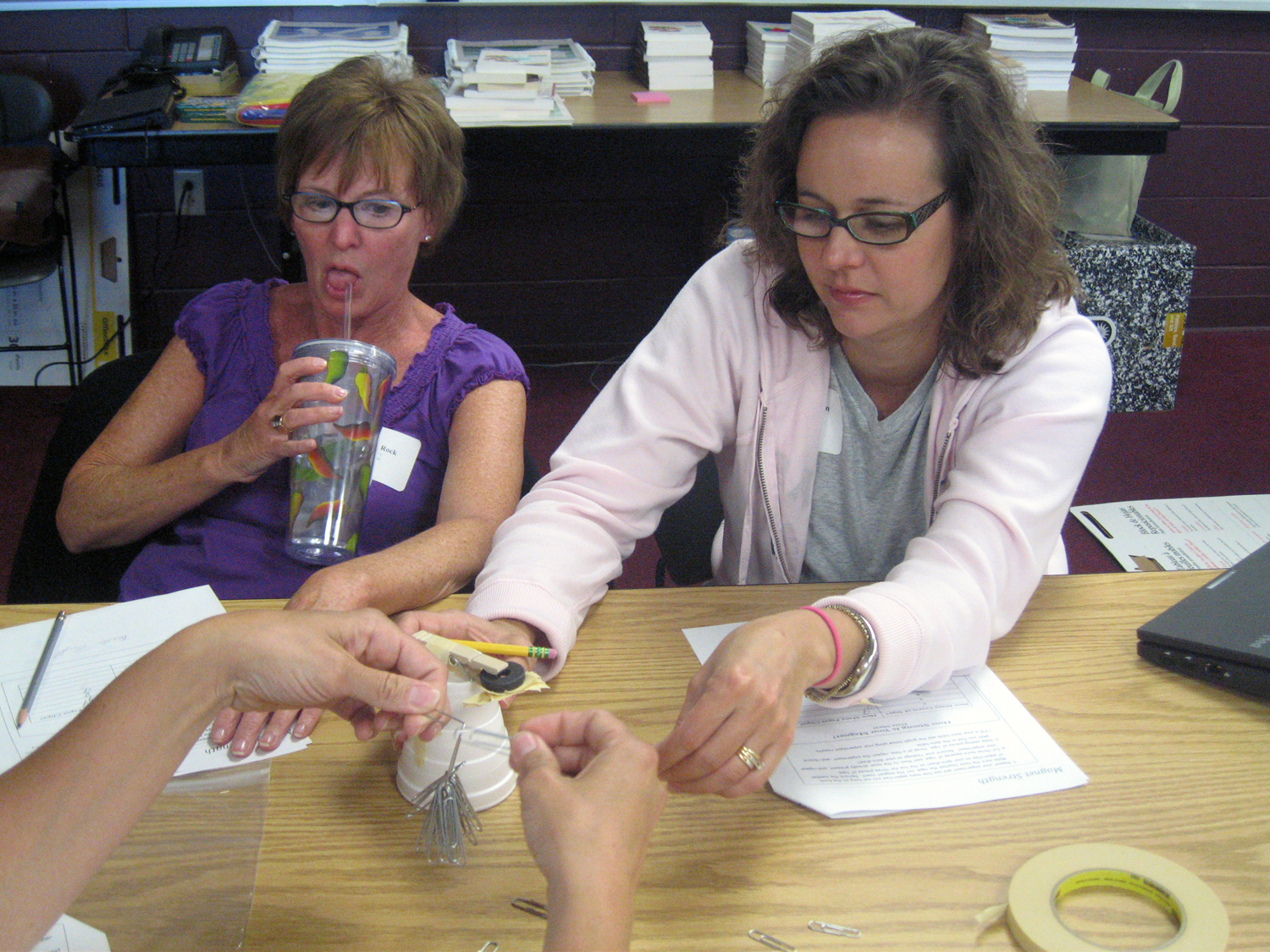
In the summer of 2012, 36 3rd-6th grade teachers from 4 area districts and 14 buildings joined RAES project team members Cory Forbes, Christopher Soldat, Jeanne Bancroft, Kathy Long, Charlie Stanier, Mandy Biggers, Jaime Sabel, and Laura Zangori for 7 days of collaborative work to begin learning to use Reflective Assessment, a formative assessment strategy developed by the Lawrence Hall of Science (LHS) for use with FOSS science modules. The summer institute focused on the Earth science content strand, within which teachers engaged with relevant content as learners, experimented with engaging in ‘high-leverage’ formative assessment practices, and planned to begin implementing Reflective Assessment in their enactment of their Earth science modules in the 2012-2013 academic year. We want to again thank all project partners, including the University of Iowa (UI) Colleges of Education and Engineering, Grant Wood Area Education Agency (GWAEA) and Van Allen Science Teaching Center (VAST Center), LHS at the University of California-Berkeley, the UI Center for Global and Regional Environmental Research (CGRER), Iowa City Community School District (ICCSD), Washington Community Schools (WCSD), Clear Creek Amana Community School District (CCACSD), Highland Community School District (HCSD), and St. James School. A special thanks go out to Mark Brockmeyer and the Iowa City Schools for allowing us to hold the Summer Institute at the ICCSD Educational Services Building and to Kim Lange for joining us in July (while visiting from Germany) and providing helpful feedback.
2012 Forbes Group presentations
We have been busy this past winter and spring presenting empirical research from the PIESC3 project at NARST, AERA, and two invited talks in Germany. Recent presentations include:
Biggers, M., Forbes, C.T., & Zangori, L. (2012, April). Elementary teachers’ curriculum design and pedagogical reasoning for supporting students’ comparison and evaluation of evidence-based explanations. Paper presented at the annual meeting of the American Educational Research Association, Vancouver, BC.
Forbes, C.T., Biggers, M., & Zangori, L. (2012, April). Investigating essential characteristics of scientific practices in elementary science learning environments: The Practices of Science Observation Protocol (P-SOP). Paper presented at the annual meeting of the American Educational Research Association, Vancouver, BC, April 13-17.
Forbes, C.T., Biggers, M., & Zangori, L. (2012, April). Toward an empirically-based learning progression: Defining progress variables and measurable levels of elementary teachers’ pedagogical content knowledge for science. Paper presented at the annual meeting of the American Educational Research Association, Vancouver, BC.
Aguirre-Mendez, C., Promyod, N., Forbes, C.T., Biggers, M., & Zangori, L. (2012, March). Characteristics of scientifically-oriented questions and the nature of inquiry in elementary classrooms: A multiple-case study. Paper presented at the annual meeting of the National Association of Research in Science Teaching, Indianapolis, IN.
Biggers, M. & Forbes, C.T. (2012, March). Elementary teachers’ ideas about, planning for, and implementation of learner-guided and teacher-guided inquiry. Paper presented at the annual meeting of the National Association of Research in Science Teaching, Indianapolis, IN.
Biggers, M., Zangori, L., & Forbes, C.T., (2012, March). Exploring scientific explanations: Promoting students’ sense-making in elementary classrooms. Paper presented at the annual meeting of the National Association of Research in Science Teaching, Indianapolis, IN.
Forbes, C.T., Biggers, M., & Zangori, L. (2012, March). Elementary teachers’ enactment of science curriculum materials: Investigating early learners’ engagement in scientific practices. Paper presented at the annual meeting of the National Association of Research in Science Teaching, Indianapolis, IN.
Pinney, B., Suh, J-K., Tseng, C-M., Forbes, C.T., Biggers, M., & Zangori, L. (2012, March). Dichotomous inquiry practices: Characterizing teaching practice based on essential features of inquiry. Paper presented at the annual meeting of the National Association of Research in Science Teaching, Indianapolis, IN.
Zangori, L. & Forbes, C.T., (2012, March). Learning to support elementary students’ scientific reasoning: Preservice elementary teachers and the evidence-explanation continuum. Paper presented at the annual meeting of the National Association of Research in Science Teaching, Indianapolis, IN.
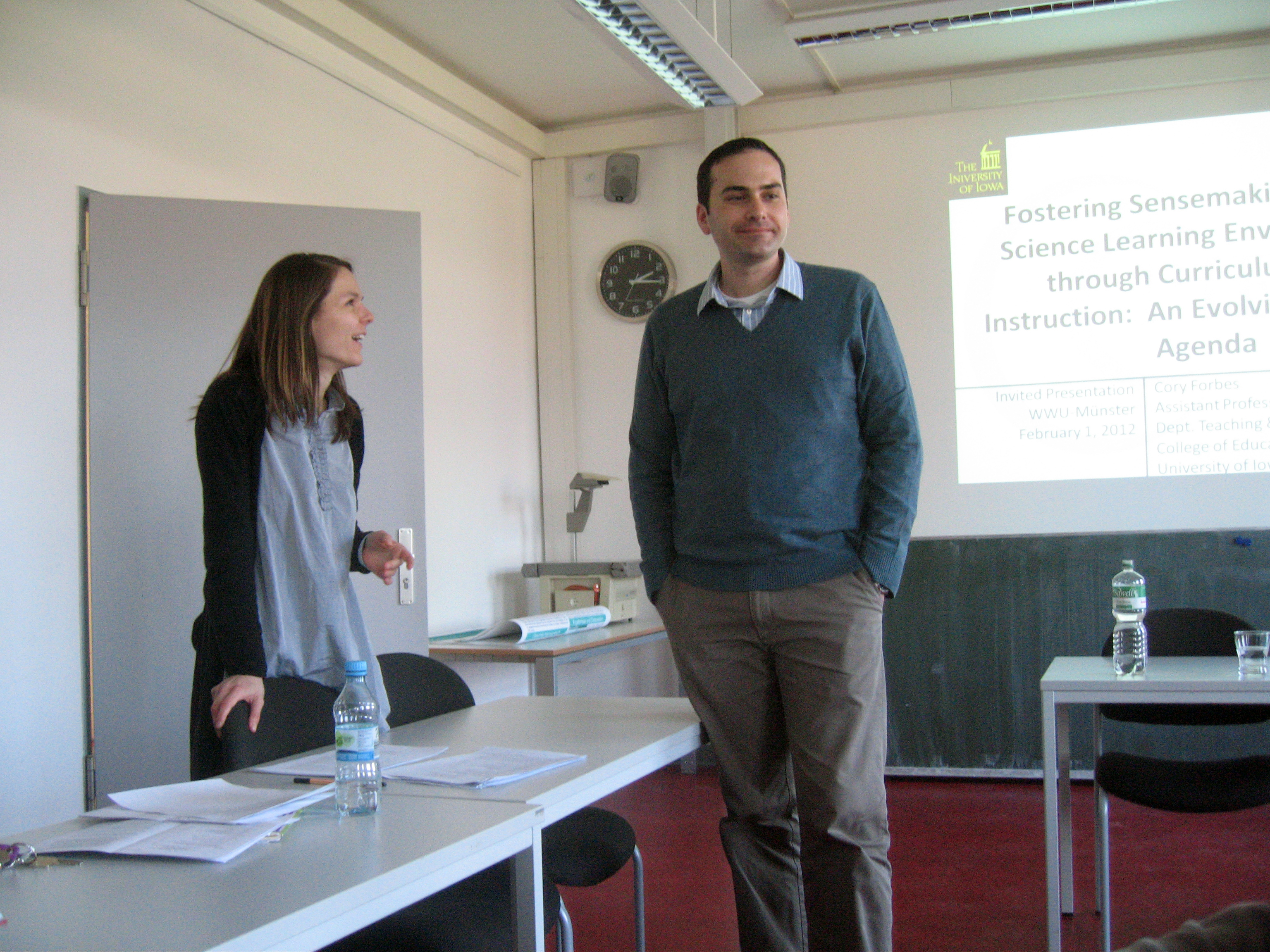
Forbes, C.T. (2012, February). Fostering sense-making in K-8 science learning environments through curriculum and instruction: An evolving research agenda. Invited presentation at the University of Münster (WWU-Münster), Münster, Germany. Sponsored by the German Research Foundation (DFG).
Forbes, C.T. (2012, January). Fostering sense-making in K-8 science learning environments through curriculum and instruction: An evolving research agenda. Invited presentation at the University of Essen (NWU-Essen), Essen, Germany. Sponsored by the German Research Foundation (DFG).
RAES-Iowa project funded
The Reflective Assessment for Elementary Science in Iowa (RAES-Iowa) project has been funded. More information about the project can be found here. I am thrilled to be working with an amazing group of project partners from the University of Iowa and CGRER, GWAEA and the VAST Center, FOSS at the Lawrence Hall of Science, and elementary teachers from the Iowa City Community School District (ICCSD), Washington Community Schools (WCSD), Clear Creek Amana Community School District (CCACSD), Highland Community School District (HCSD), and St. James School on this project. The first workshops for teachers begin June 13 in Iowa City!
Germany 2012
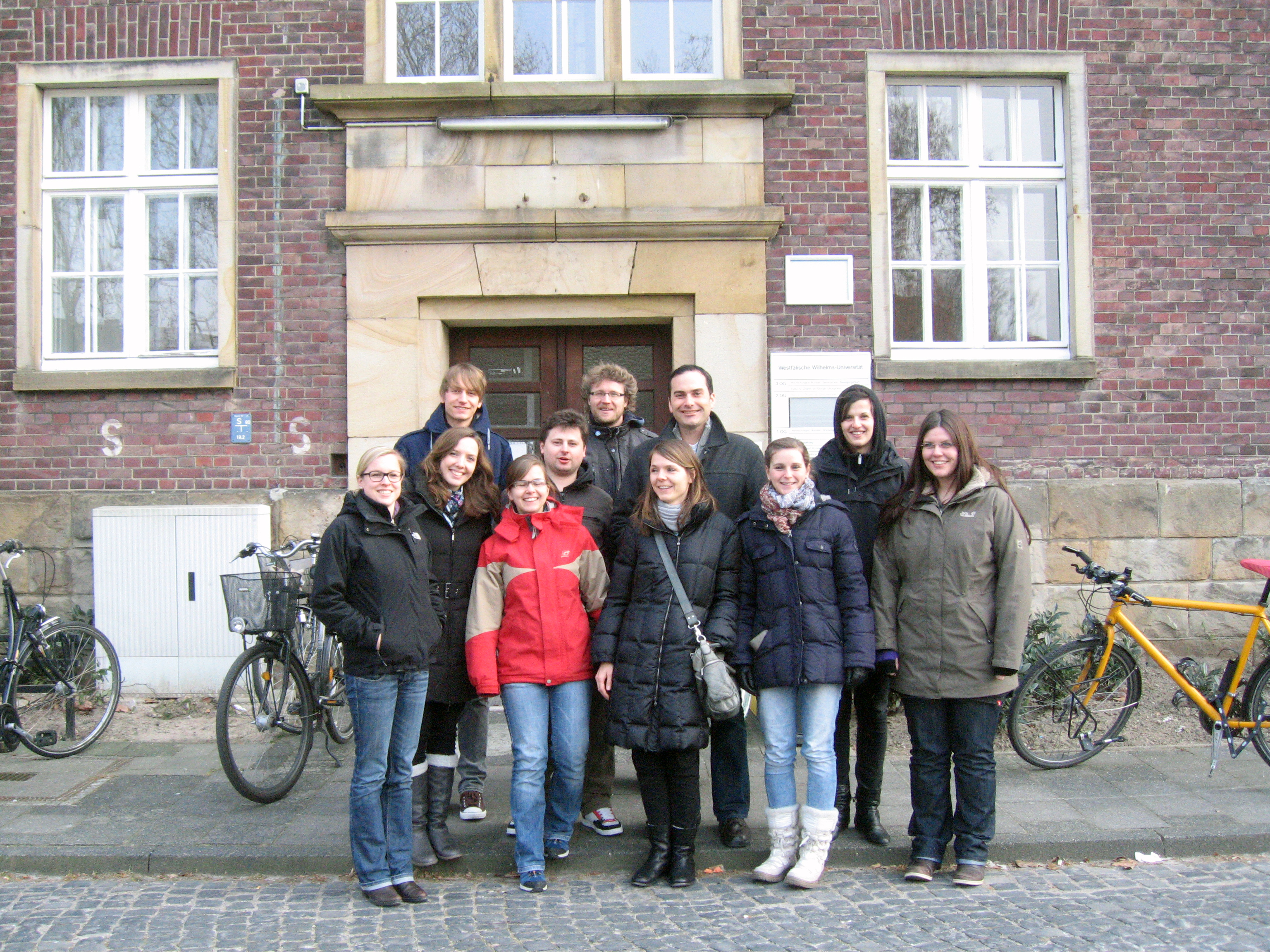
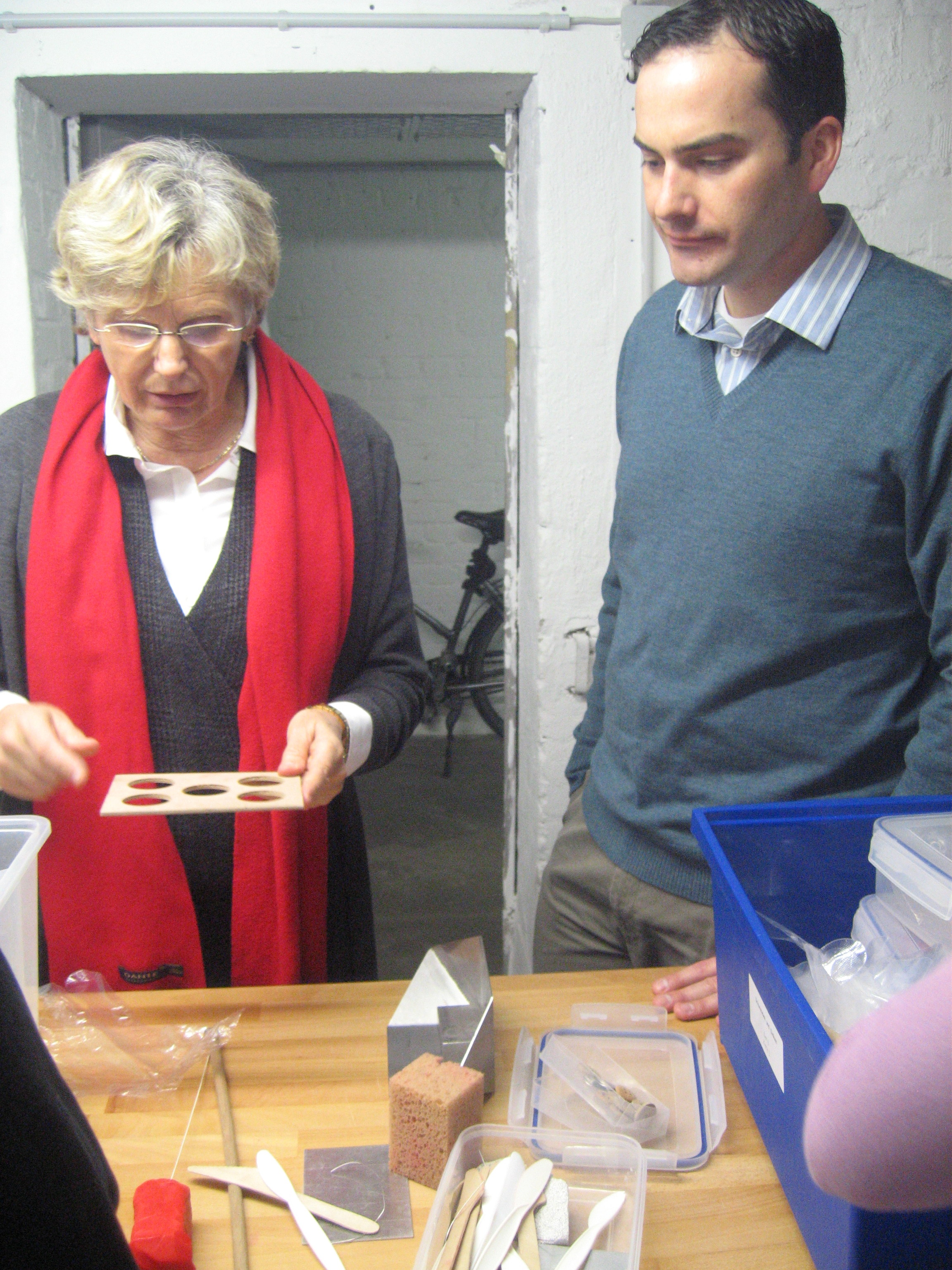
From January 27 – February 4, I traveled to Germany as part my work on the PIESC3 project. Through generous support from the German Research Foundation (DFG), I was invited by the Teaching and Learning of Science Research Group to give invited talks at both NWU-Essen and WWU-Münster. I spent most of the week working with colleagues in Professor Kornelia Möller’s workgroup at the University of Münster. We spent two days working to train PLUS project research team members on an observation protocol we developed and pilot-tested during the past year as part of the PIESC3 project. In the next year, we will be conducting a comparative study of students’ engagement in inquiry and scientific practices in U.S. and German elementary classrooms. The PIESC3 team is excited to host PLUS graduate student, Mira Laux, as a visiting scholar for two months this spring at the University of Iowa. It was wonderful to meet and spend time with Nicola, Ina, Marco, Lena, Judith, and Katharina. A special thanks the Kim Lange for originally suggesting the visit and making it happen!
Article published in Science Education
A manuscript from my dissertation study has been published in the September issue of Science Education. This article extends previous published findings from a larger study of preservice elementary teachers‘ adaptation of science curriculum materials. I report findings that explore explore preservice teachers’ reasoning about the use of science curriculum materials to engage early learners in science-as-inquiry.
Forbes, C.T. (2011). Preservice elementary teachers’ adaptation of science curriculum materials for inquiry-based elementary science. Science Education, 95(5), 927-955.
ESERA 2011 Conference
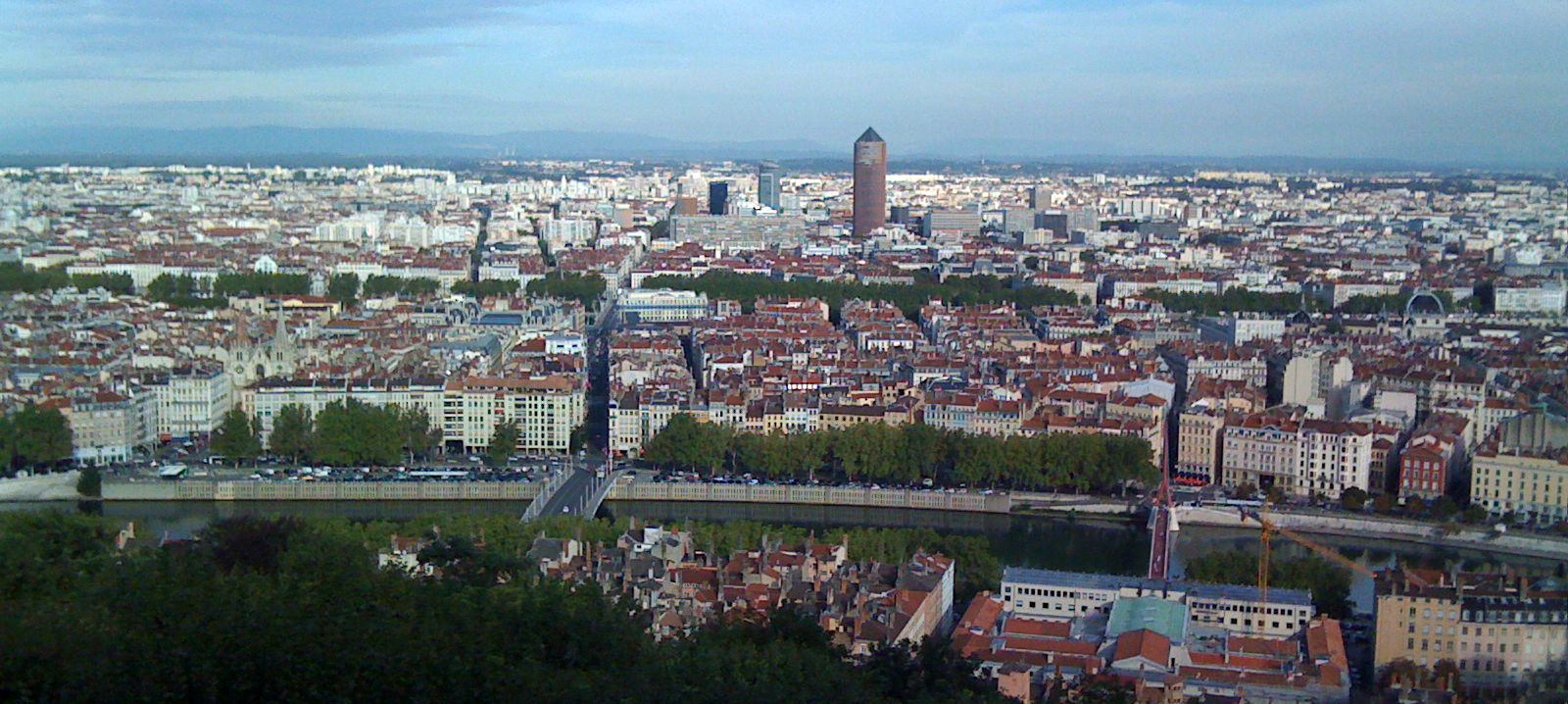
I recently returned from Lyon, France, where I attended the 2011 biannual meeting of the European Science Education Research Association (ESERA). I presented two papers at the conference, one from past research and one from new PIESC3 project work. I was fortunate to see many colleagues, as well as meet some new ones.
Forbes, C.T. (2011, September). Elementary teachers’ curriculum design and pedagogical design capacity for reform-based science: Research across the teacher professional continuum. Paper presented at the bi-annual meeting of the European Science Education Research Association, Lyon, France.
Forbes, C.T., Biggers, M., & Zangori, L. (2011, September). Promoting and investigating elementary teachers’ PCK for inquiry-based science. Paper presented at the bi-annual meeting of the European Science Education Research Association, Lyon, France.
PIESC3 Year 1 Summer Institute
The first PIESC3 summer institute was held in Davenport, Iowa during the week of June 13. The PIESC3 team had the opportunity to work with an extraordinary group of 20 elementary teachers from the Davenport Community School District (DCS) around engaging students in scientific practices and inquiry in the classroom.